


'Rickety' air control: US planes at mercy of system needing billions
'Rickety' air control: US planes at mercy of system needing billions

Trevor Hughes, USA TODAYFri, November 20, 2026 at 1:36 AM UTC
8
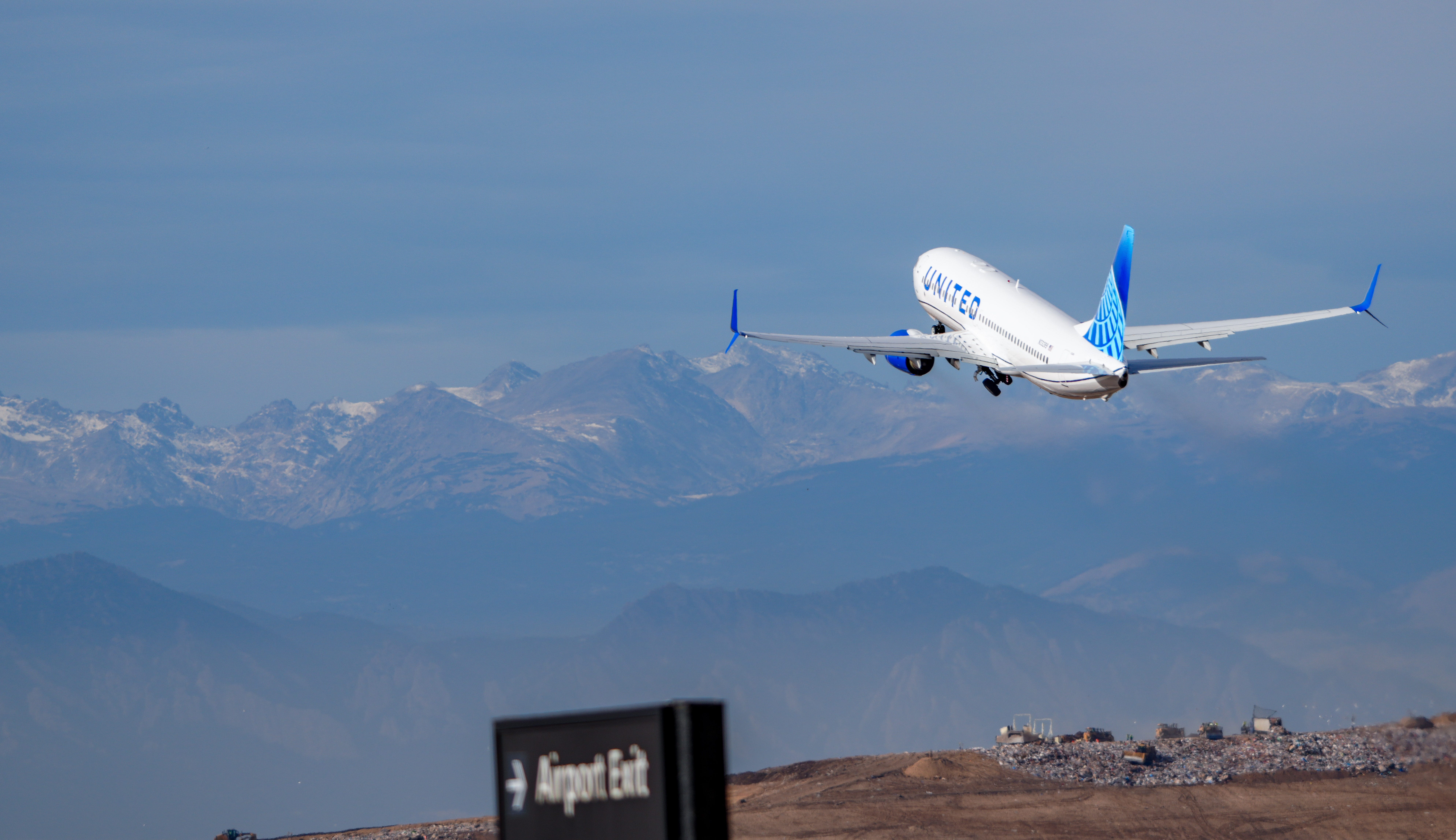
DENVER ‒ Retired air traffic controller Dave Riley compares the system that keeps planes flying across the United States to owning 10-year-old paid-off used car: A little worn down and without modern conveniences, but still reliable. Mostly.
"The AC is broken, the windows don't work. But it still gets you get from one place to another," said Riley, an air traffic controller for more than 20 years.
But for how long? On the eve of the FAA expecting to announce the root cause of a nationwide ground stop Nov. 13 that disrupted more than 18,000 flights and 1 million passengers, new attention is being brought to an old problem.
Namely, that America's air traffic control system needs billions of dollars in upgrades to fix what U.S. Transportation Secretary Sean Duffy calls "an old rickety network." President Donald Trump blamed last week's mass stoppage on "very, very old equipment that had a heart attack."
A laundry list of presidential administrations has addressed the FAA's air traffic control issues with varying success, including Trump during his first term. FAA officials are expected to provide new details of the ground stop's cause on Friday.
Duffy said this week the system needs $50 billion in upgrades, covering everything from new towers and new runways to modern computers and radar systems. That's on top of $12.5 billion Congress approved last summer.
"It's time that we make this investment," Duffy said on Nov. 17. "We have to do something different."
The Nov. 13 ground stop startled and unsettled Americans unaccustomed to seeing air travel halted by something other than weather or federal government shutdowns. The stop forced the cancellation or delay of tens of thousands of flights, temporarily stranding hundreds of thousands of travelers. On an average day, commercial airlines operate more than 45,000 flights and carry 2.9 million passengers around the United States, according to the FAA.
Federal officials say they ordered the ground stop after a newly installed computer device in El Dorado, Arkansas, began spamming the network with information requests. Officials said 68 previous installations had gone smoothly and are investigating what went wrong.
Experts consulted by USA TODAY say it's not surprising the FAA suffered such a significant failure. They say the air traffic control system has long needed upgrades to keep functioning properly. They credit controllers and the FAA generally with making sure the entire system still operates safely, including ordering a ground stop.
“Although the performance was not broken, the infrastructure was broken," said Sheldon H. Jacobson, a computer science professor at the University of Illinois. “We reached this point years ago but we didn’t do anything about it.”
Jacobson, who specializes in the study of complex systems, said the government appeared reluctant to tinker too much with a system that was working, even if it was slowly becoming obsolete. He said technology has advanced significantly in the decades since many FAA systems were first installed, forcing the government to spend more and more time repairing systems that should instead have been replaced.
The last major upgrade at the FAA, known as NextGen, focused on increasing use of GPS to track flights and assign paths for more efficient routing. But it didn't significantly address other longstanding issues, including an increasingly rickety communications infrastructure.
“Instead of it being upgraded in real time as appropriate, it was working just fine so people just kept using it,” said Jaconson, who works in the university's Siebel School of Computing and Data Science.
Experts and even the FAA say things may get worse before they get better. The FAA said delays caused by its own equipment last year were 300% higher than the average from 2010-2024.
In 2024, the federal Government Accountability Office warned that that 75% of the FAA’'s 138 air traffic control systems were "unsustainable or potentially unsustainable" because replacement parts are no longer made. That report urged federal officials to act more quickly in making upgrades, and the 2025 "One Big Beautiful Bill Act" provided $12.5 billion in funding to get started.
But a subsequent GAO report issued on Sept. 14 warned the FAA's efforts to rapidly repair and upgrade the systems might make things worse, at least temporarily. It noted that some repair or replacement work is being done without appropriate coordination between contractors, potentially forcing more temporary outages than necessary.
"In essence, the FAA is buying delivery speed at the risk of cost uncertainty and potential disruptions," the GAO report said. "The net effect could be that air traffic controllers are forced to continue to rely on severely outdated systems that are prone to failure leading to more system outages, ground stops, flight delays, or worse - safety incidents."
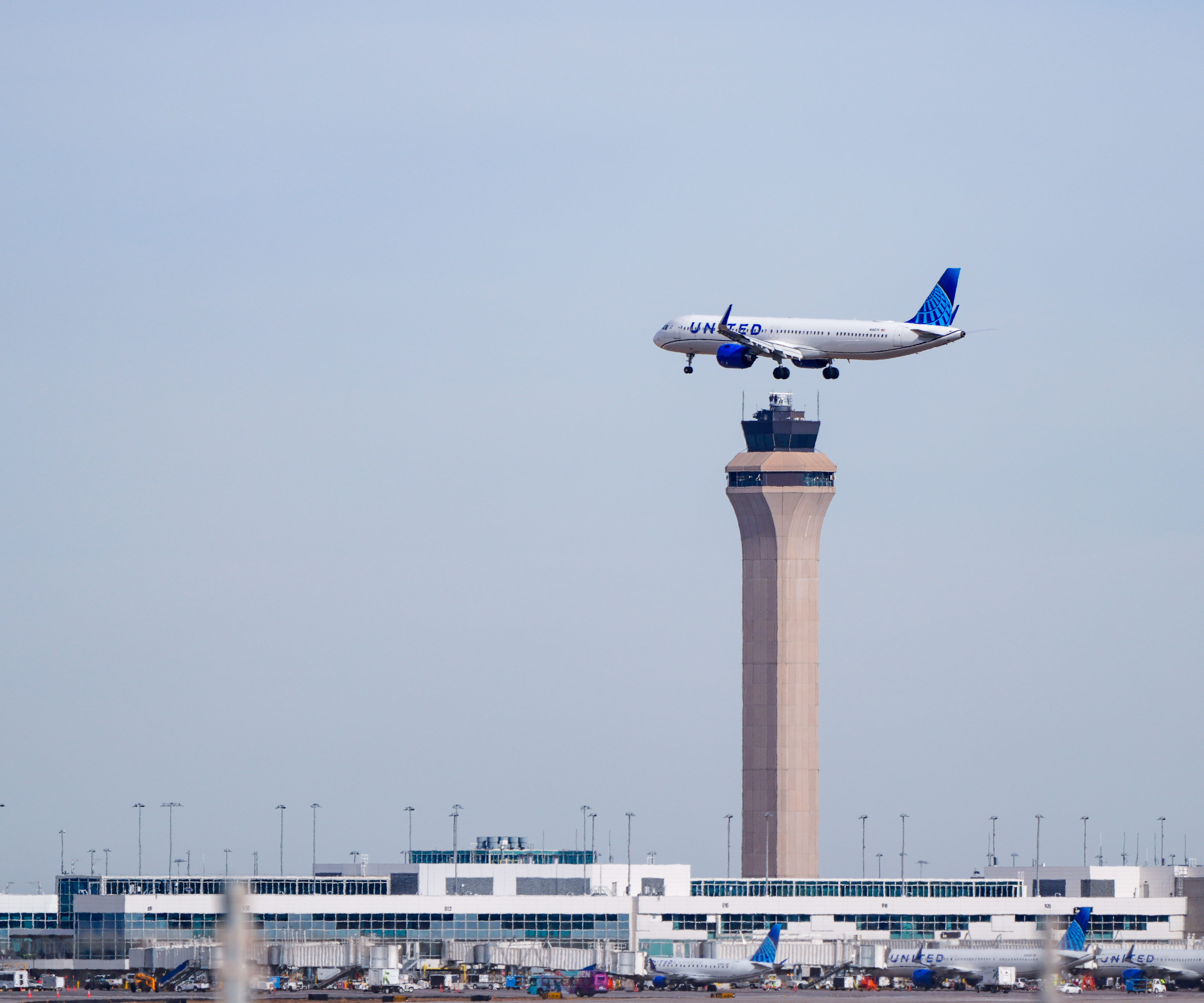
Federal officials say the ground stop was not connected to the upgrades but was instead due to routine maintenance necessary because the system is so old.
“Essentially, what you saw on Friday was very, very old equipment that had a heart attack,” Trump said.
The ongoing $12.5 billion upgrade effort is called the "Brand New Air Traffic Control System," and workers have fanned out across the country to make improvements to technology that has largely remained static for decades.
Some of the computers that controllers use run on Windows 95, an operating system that Microsoft stopped supporting in 2003. Duffy has said upgrading those computers to modern systems will mean the end of using floppy disks in control towers. According to the FAA, 52 different vendors are working on the upgrades simultaneously.
Advertisement
In many airport towers, controllers still track flights using a 1970s-era system of printed slips of paper, which they literally hand off to their colleagues as the planes move from one area of responsibility to another. The slips remain in use in all but 25 of the 527 towers across the country.
And until recently, many of the FAA's communication systems still relied on copper wiring to connect control towers to the radio systems they use to talk to pilots. Duffy has touted ongoing efforts to replace that copper cabling, which typically also requires the installation of new electronics to convert radio transmissions to new digital formats.
Earlier this month, the FAA said it had replaced 50% of its copper wiring in a single year, and had made significant progress installing new electronic voice switches. Duffy said the Biden administration had begun that work but completed only 19% of the work in four years.
Trump has complained that Biden-era work improperly connected "copper into glass," although that's how a significant number of internet connections work. Today, 70% of the copper wires have been upgraded, according to the FAA.
In a Nov. 16 social media post, Biden-era Transportation Secretary Pete Buttigieg noted that the copper-wire replacements began during his tenure.
"I am glad the Trump administration has continued that work, but they have so far failed to explain why their execution of it triggered the worst FAA communications breakdown this century," he wrote. "I support more funding for FAA upgrades, but this episode is another blow to the public’s confidence that the administration can deliver. The Trump administration owes Americans an honest accounting of how they have spent the billions of dollars already authorized, clearer answers on why their repair work brought down the entire system on Friday, and an explanation of what they are doing to make sure this failure is not repeated."
Duffy said this week that while contractors are working quickly, a big challenge has been the lack of equipment necessary. He said much of what the FAA needs has to be custom ordered, and that takes time.
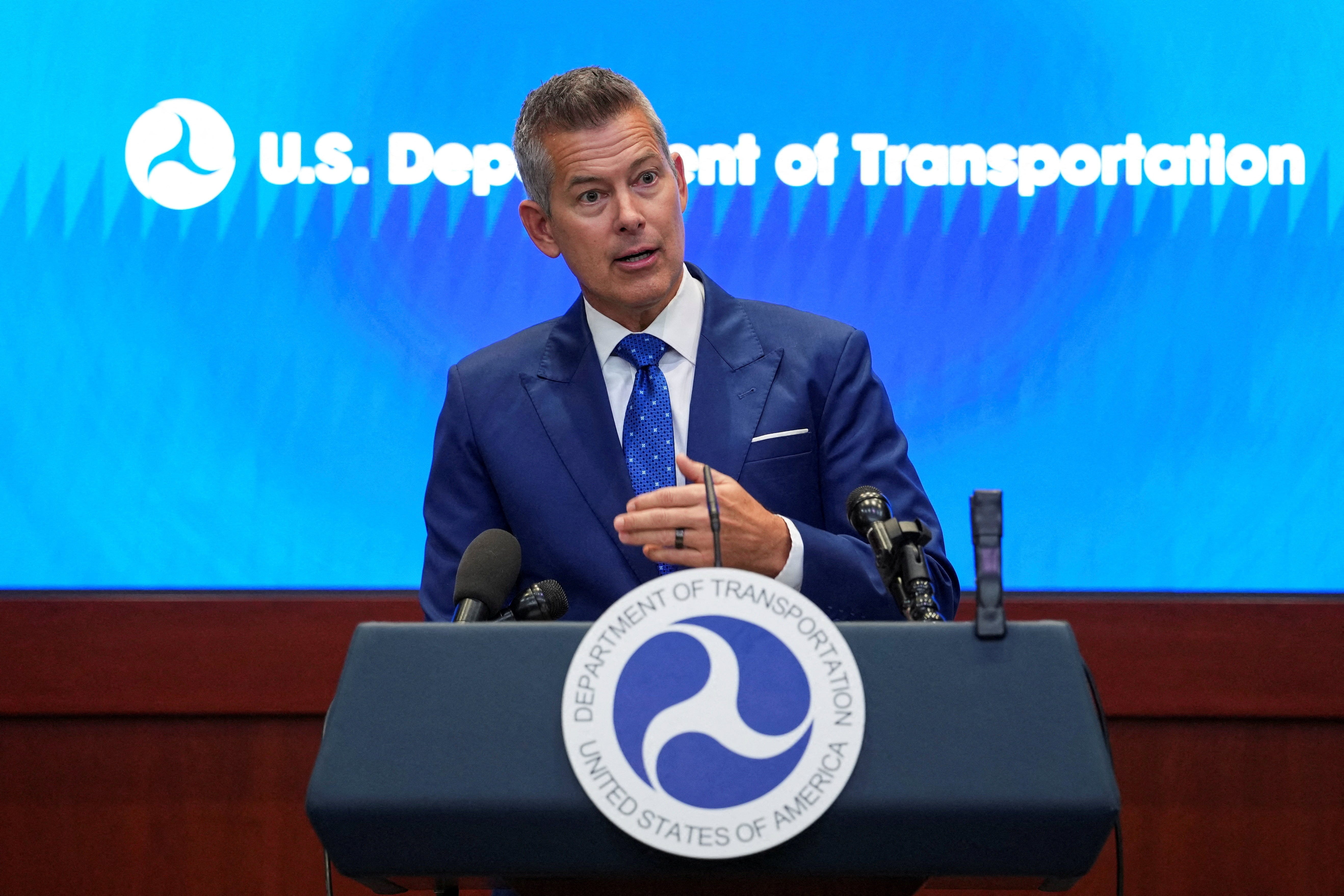
"I can't go to, say, a Best Buy and just take it off the shelf," Duffy said in a statement. The Department of Transportation did not respond to a request for an interview.
Acquiring that specialized equipment has delayed FAA's upgrade plans in several key areas of ongoing work, including new radar systems. According to an FAA project status dashboard, workers asa of Nov. 1 had installed 15 of 612 new radar systems nationwide.
In August, Duffy touted the groundbreaking of a new factory in Frederick, Maryland, that makes specialized devices known as "switches" to help carry transmissions between controllers and pilots. That project alone is worth $5 billion.
According to the FAA, workers have installed 226 of 450 of those switches across the country, and in October completed 15 installations against a goal of 36. The FAA's internal metrics flagged the switch installations as falling behind schedule, along with the radar projects.
In its September report, the GAO warned that contractors were potentially interrupting controllers too often because they weren't performing coordinated installations and upgrades. And it warned that falling behind on installations risked creating an environment where safety could take a backseat to expediency.
"Without an integrated master schedule that accounts for dependencies between the projects and the associated site installations, FAA risks having an inefficient schedule that causes excessive disruptions to air traffic control operations and jeopardizes FAA’s ability to meet its aggressive deployment schedule," the report said.
"Moreover, such inefficiencies can contribute to schedule delays that add schedule pressure. We have previously reported that schedule pressure on federal programs can lead to omissions and skipping or compressing of key activities, such as testing and deficiency resolution, that can compromise the success of the system."
Duffy acknowledged the dueling demands of making improvements quickly but safely.
"Maybe I'm Goldilocks and I'm going just right here . . . We will not go faster than what the safety mission would allow. We are moving at the right pace, but I would just tell you, the longer we stay on an old rickety network, the less safe it becomes," he said.
Duffy said he's now working urgently with Congress to advance legislation to fund the next round of improvements.
Jacobson, the computer systems expert, said he's confident the FAA, Congress and others will ultimately find the right solution.
“The fact is the matter is that it’s a complex problem, but if you break it down into smaller pieces it’s entirely doable," he said. "
Riley said he remains hopeful Congress and the FAA can commit to those upgrades. He said that will improve working conditions for controllers, ultimately increasing both safety and public confidence.
"Air traffic controllers solve problems you don't even know you have flying in that plane. But now a lot of that is coming to light, things are coming out from behind the curtain. People are seeing how the sausage is being made and it's scaring the hell out of them,” Riley said. "They really should line items these projects and lock them down."
This article originally appeared on USA TODAY: 'Rickety' air control: US planes at mercy of system needing billions
Source: “AOL Breaking”
