


Survey shows high costs continue to weigh on farmers as sentiment slips
Survey shows high costs continue to weigh on farmers as sentiment slips

Jan Shepel, CorrespondentThu, July 23, 2026 at 10:01 AM UTC
0
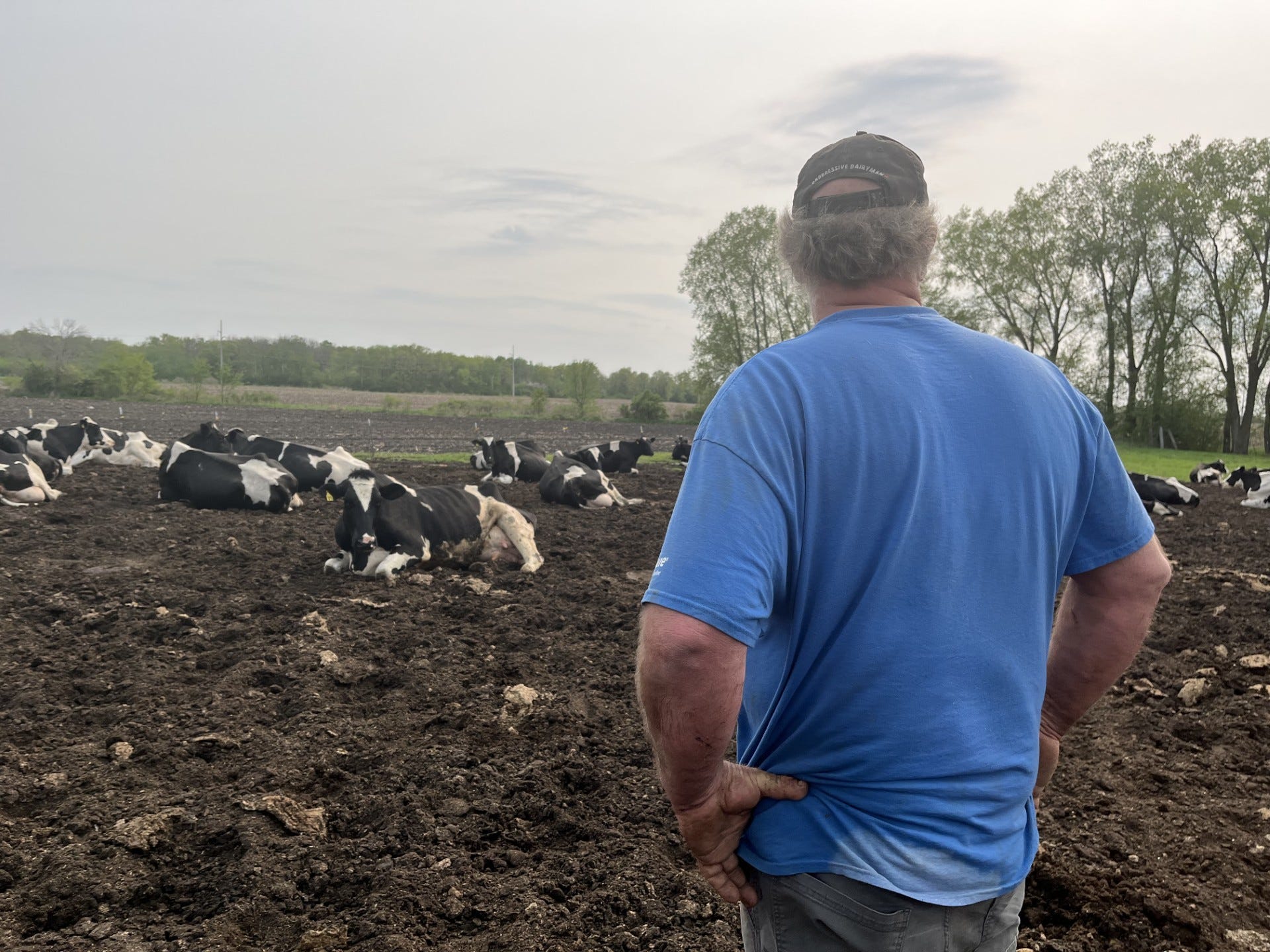
A regular survey of farmers across the country finds that high input costs continue to be on farmers’ minds as their sentiments decline in both current conditions and future expectations. The Purdue University/CME Group Ag Economy Barometer is considered by many to be a nationwide measure of the health of the U.S. agricultural economy.
The Center for Commercial Agriculture at Purdue uses a number to delineate farmer sentiment – like a barometer – and that number decreased from 119 in May to 113 in June. The percentage of producers who expected good times over the next five years was 32% in June. That was 17 points lower than it was in the June 2025 survey.
The index of current conditions fell by 5 points and farmers’ index of future expectations fell by 7 points in the most recent survey.
Farmer sentiment declined in June, with rising costs continuing to squeeze margins and dampen expectations
June’s “current conditions” index was 26 points below the December 2025 reading, reaching its lowest level since December of 2024.
Michael Langemeier, director of Purdue’s Center for Commercial Agriculture, noted that while high input costs remain the prime constraint on farmers’ financial performance, producers must continue to make decisions based on technology adoption, trade expectations and long-term land values.
In addition to asking farmers about their sentiments and thoughts on the future, since July 2025, the survey has been asking farmers whether they think the United States is headed in the “right direction” or is “on the wrong track.” The “right direction” question garnered a response of an average of 71% over the last six months of 2025 but now “right direction” responses hover just above 50%. Farmers averaged 52% in May and 53% in June in terms of thinking the country was going in the right direction.
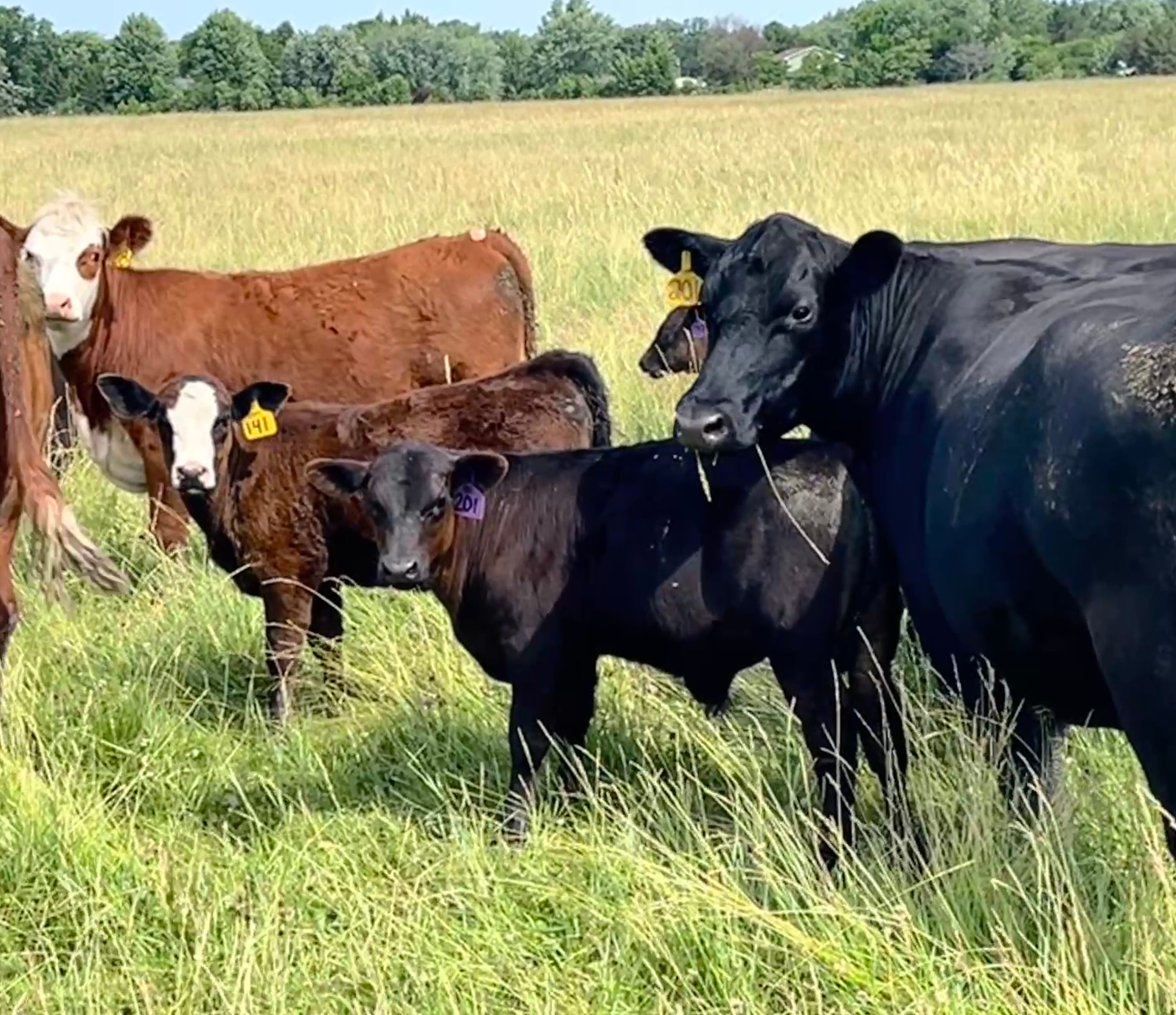
Cattle producers remain upbeat as crop farmers grow wary
As might be expected, there was a disparity between crop producers and livestock producers with 25% of crop growers saying they expected good times, while that number was 68% for livestock producers.
The June survey asked farmers to identify the main factor limiting improvement in their farms’ financial situation. For all the farmers in the survey, high input costs were cited as the top constraint. High input costs were identified as the most important factor limiting farmers’ improvements in financial performance and 47% listed high input costs as their biggest concern. A distant second was given for low prices on crops and livestock.
Low prices for their farm’s output was cited as the second top concern at 17%; weather risk was cited by 14% of farmers; policy uncertainty was named at 11%; labor and equipment concerns stood at 9% and debt or financial pressure was at 8%.
Economists at Purdue also asked farmers about their attitudes toward exports and free trade. Forty-three percent said they expected agricultural exports to increase over the next five years. Only 9% expected exports to decline.
But 85% of respondents agreed with the statement that “free trade benefits agriculture and most other American industries.”
Fewer and fewer farmers see improvement from a year ago
Only 12% of the farmers in the survey said their operations are better off now than one year ago; and looking ahead, 22% expect their farms to be better off financially a year from now.
Around 63% of farmers said artificial intelligence-generated recommendations would “sometimes” be difficult to follow. And 22% said those AI-generated recommendations would “often” be difficult to follow.
Advertisement
Each month, Purdue surveys 400 farmers across the United States. The most recent Purdue/CME survey was conducted June 15-19. On the first Tuesday of each month, the Agricultural Economy Barometer provides a sense of the ag economy’s health with an index value. In addition to the monthly input of farmers, a quarterly report offers an in-depth survey of 100 agriculture and agribusiness industry leaders.
The CME notes that the barometer provides an important window onto agriculture, calling it a critical component of the global economy. Agriculture contributes more than $835 billion annually to the U.S. Gross Domestic Product (GDP).
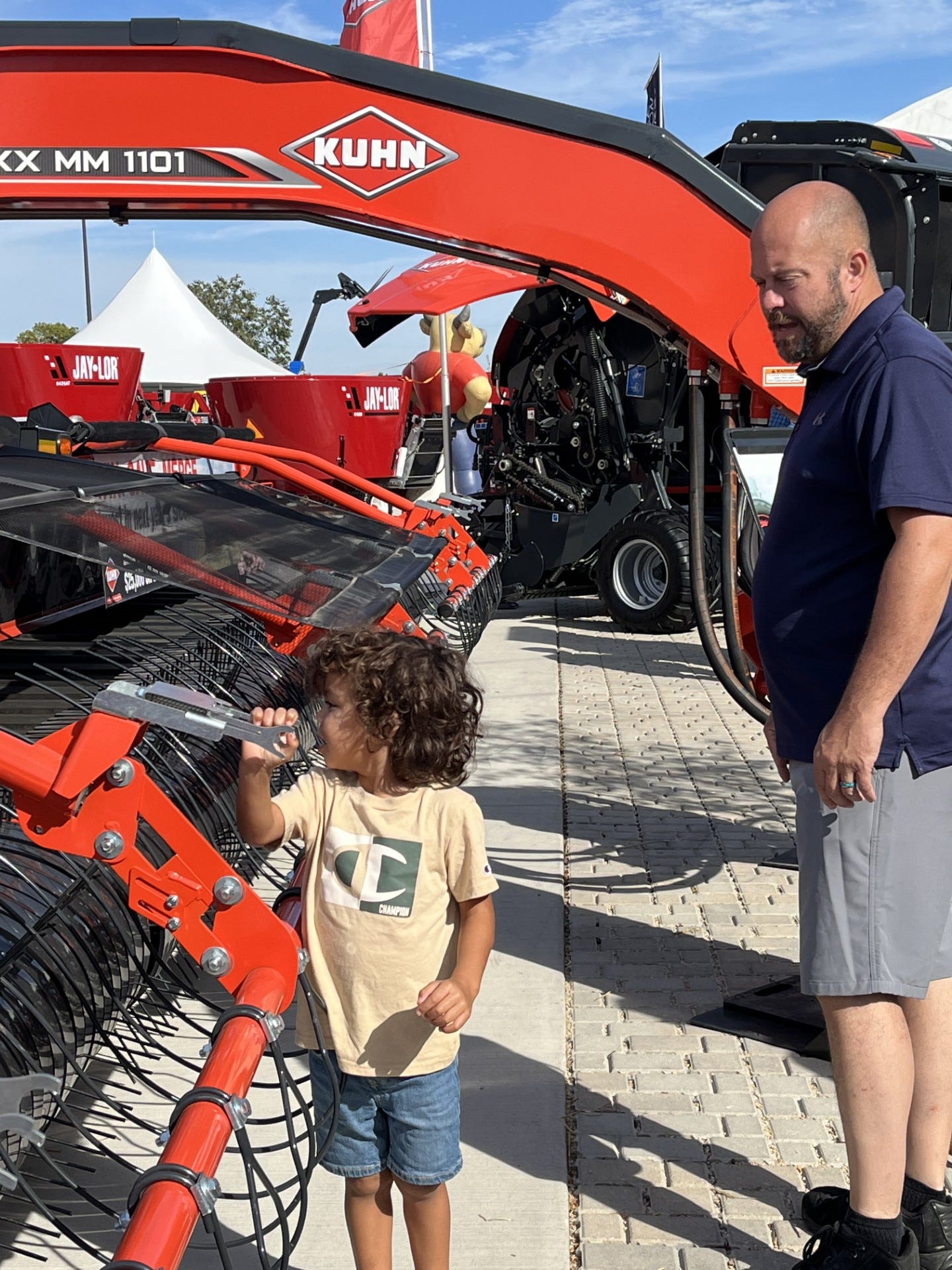
One of the continuing costs of farming is the cost of machinery and tariffs have driven those costs up. In June the Trump administration lowered tariffs on farm equipment, but industry experts noted that because of the struggling farm economy that move may not help a lot.
Richard Gupton, with Agricultural Retailers Association, said that the proclamation stated that tariffs would now be applied to the full value of farm machinery, not just the steel in them.
“Until this issue is addressed, ag retailers face a difficult choice,” Gupton told Harvest Public Media. “Delay equipment purchases or absorb costs they cannot pass on to farmers who are already under financial pressure.”
Any imported steel parts used in American-built equipment are still subject to tariffs and that increases costs for manufacturers.
Data from the Association of Equipment Manufacturers shows that there was a more than 20% drop in tractor sales in May compared to a year earlier and a more than 55% decrease in combine sales.
Brett Davis, CEO of the North American Equipment Dealers Association, said that manufacturers of farm equipment have been absorbing extra costs associated with tariffs for the past year. Now many companies can’t afford to keep doing that.
Davis noted that many U.S. manufacturers get parts from other countries and those parts would face tariff charges.
Given the general farm economy, most experts don’t expect sales on farm equipment to change much in the coming year. They said that tariffs didn’t create the problem but rather accentuated a trend that has been going on for a while.
Chad Hart, an ag economist at Iowa State University, noted that when farm income is strong and growing, agricultural machinery sales are robust as well. But when farm incomes continue to drop, year after year, farmers hunker down and work with the equipment they have.
To see more on the Purdue/CME Ag Economy Barometer, go to purdue.edu/agbarometer.
This article originally appeared on Wisconsin State Farmer: Farmers' economic outlook dims amid persistent cost pressures
Source: “AOL Money”
