


Small-Town Pharmacist Reveals the Financial Reality of Owning a Drug Store, Says She’s ‘Barely Making Enough’ (Exclusive)
Small-Town Pharmacist Reveals the Financial Reality of Owning a Drug Store, Says She’s ‘Barely Making Enough’ (Exclusive)

Ashley VegaMon, August 24, 2026 at 10:59 PM UTC
0
Fair JonesCredit: Courtesy of Fair Jones (2) -
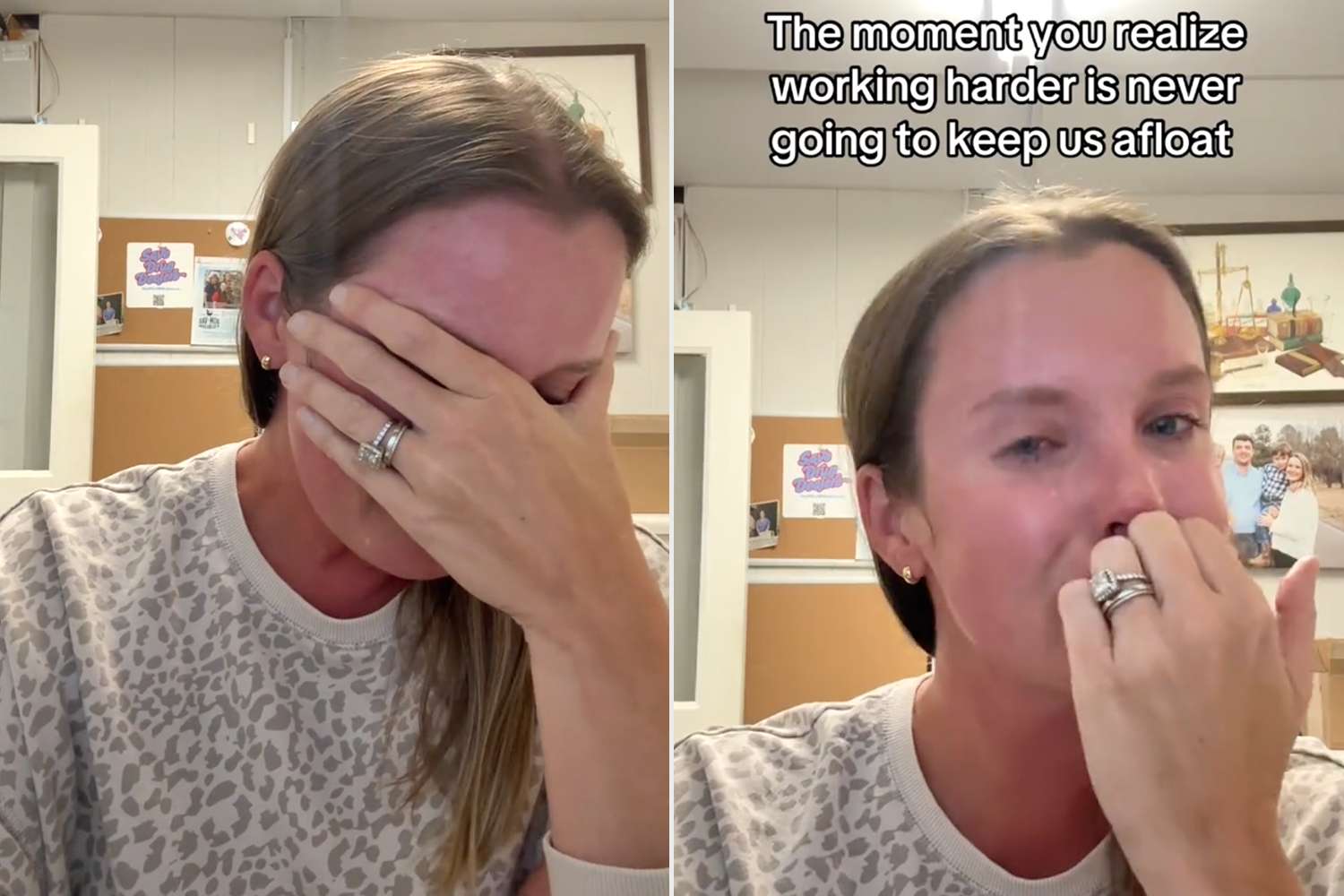
Fair Jones, 38, broke down in a TikTok about the financial strain of running the pharmacy she bought in her Mississippi hometown in 2019
Jones says about 20% of the prescriptions she fills are reimbursed for less than the medication costs her to purchase
After adding services and other sources of income, Jones says she is still struggling to cover her bills and wonders every day whether she can continue
Fair Jones is filling more prescriptions than ever at the small-town Mississippi pharmacy she spent years dreaming of owning. But instead of watching her business grow alongside the demand, the 38-year-old pharmacist says she is working harder for less money and wondering how long she can keep going.
“This has been the most emotionally painful and exhausting experience I have ever been through,” Jones tells PEOPLE exclusively. “Stress, anxiety and fear bubble just below the surface every single day.”
Jones bought Sav-Mor Drugs and Gifts in Grenada, Miss., in 2019, returning to a dream she had long held of owning a pharmacy in the town where she was born and raised. She wanted neighbors to know they could come to her for help getting medications quickly and affordably, while also building a business that supported local schools, elderly residents and community programs.
But recently, Jones showed a more difficult side of that dream on TikTok, where she cried as text on the video read, “the moment you realize working hard is never going to keep you afloat.” In the caption, she explained the problem more plainly: “POV: You’re filling more prescriptions than ever but reimbursement is at an all time low.”
According to the U.S. Bureau of Labor Statistics, a pharmacist in 2024 had a median salary of $137,480, giving the impression of a financially lucrative career — but for Jones, that annual number looks a lot different as the owner of her own pharmacy.
Since she purchased the pharmacy, the number of prescriptions she fills each year has continued to increase, she says, while the reimbursement she receives from insurance companies has fallen. More prescriptions also mean spending more on medications, labor, materials, rent, liability insurance, software, utilities and the other costs of dispensing them.
In some cases, Jones says the insurance reimbursement for a prescription is less than what she paid for the medication itself, something she estimates happens with about 20% of the prescriptions she fills each day. Once labor and other costs are factored in, she says close to 80% are reimbursed at a loss.
“No business model can succeed if you are selling a product or service for less than what it costs,” she says. The stakes are especially high with some brand-name medications, including GLP-1s and medications for diabetes and other chronic conditions.
Some can cost the pharmacy $1,000 or more for one patient’s one-month supply, while Jones says she may make only $10 in profit on the prescription. Filling 10 of those prescriptions in a week could cost her $10,000 upfront while bringing in just $100 in profit.
Advertisement
Jones has tried to make up the difference by expanding what the pharmacy offers, adding immunizations, medication synchronization and wellness checks while selling gifts in the store and online. She has also cut down on inventory and waits to order some expensive medications until a patient is due for the prescription.
The changes have helped, she says, but not enough. “I am working myself to the bone and doing everything I can to make it work, yet I am barely making enough profit to pay the bill from my drug wholesaler each week,” Jones says.
For Jones, the possibility of losing the pharmacy is painful for reasons that have little to do with a balance sheet. She has taken time away from her young children to keep the business running, and now wonders what those sacrifices will mean if she ultimately has to walk away.
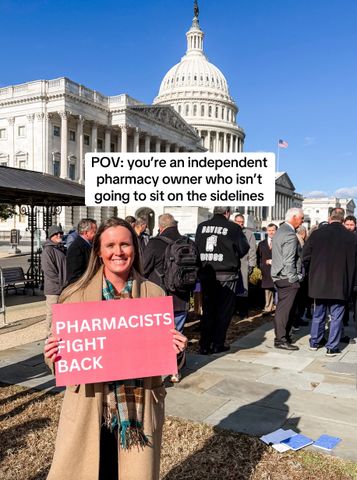
Fair JonesCredit: Courtesy of Fair Jones
“I am left knowing that I will never get that time back with my kids, and it could all be for nothing,” she says. “I wonder every day if I can keep doing this.”
She also worries about the people who depend on the pharmacy, including patients without transportation who receive medication deliveries and those on limited incomes whom Jones and her staff help find more affordable medications. “Many times, we are the first phone call a patient makes when they are sick,” she says.
— sign up for PEOPLE’s free daily newsletter to stay up-to-date on the best of what PEOPLE has to offer, from celebrity news to compelling human interest stories.
If independent pharmacies like hers close, Jones fears some of those patients could lose a healthcare provider they know and trust. And when a pharmacy cannot afford to fill a prescription, she wants patients to know that saying no is sometimes the last thing the pharmacist wants to do.
“No pharmacist or business owner ever wants to turn a patient away — that goes against everything we stand for,” Jones says. “But these days, we are increasingly faced with the choice of taking care of people or keeping the lights on.”
on People
Source: “AOL Money”
