


British iPhone designers’ new gadget is make-or-break for OpenAI
British iPhone designers’ new gadget is make-or-break for OpenAI

Matthew LynnSat, July 18, 2026 at 8:00 AM UTC
0
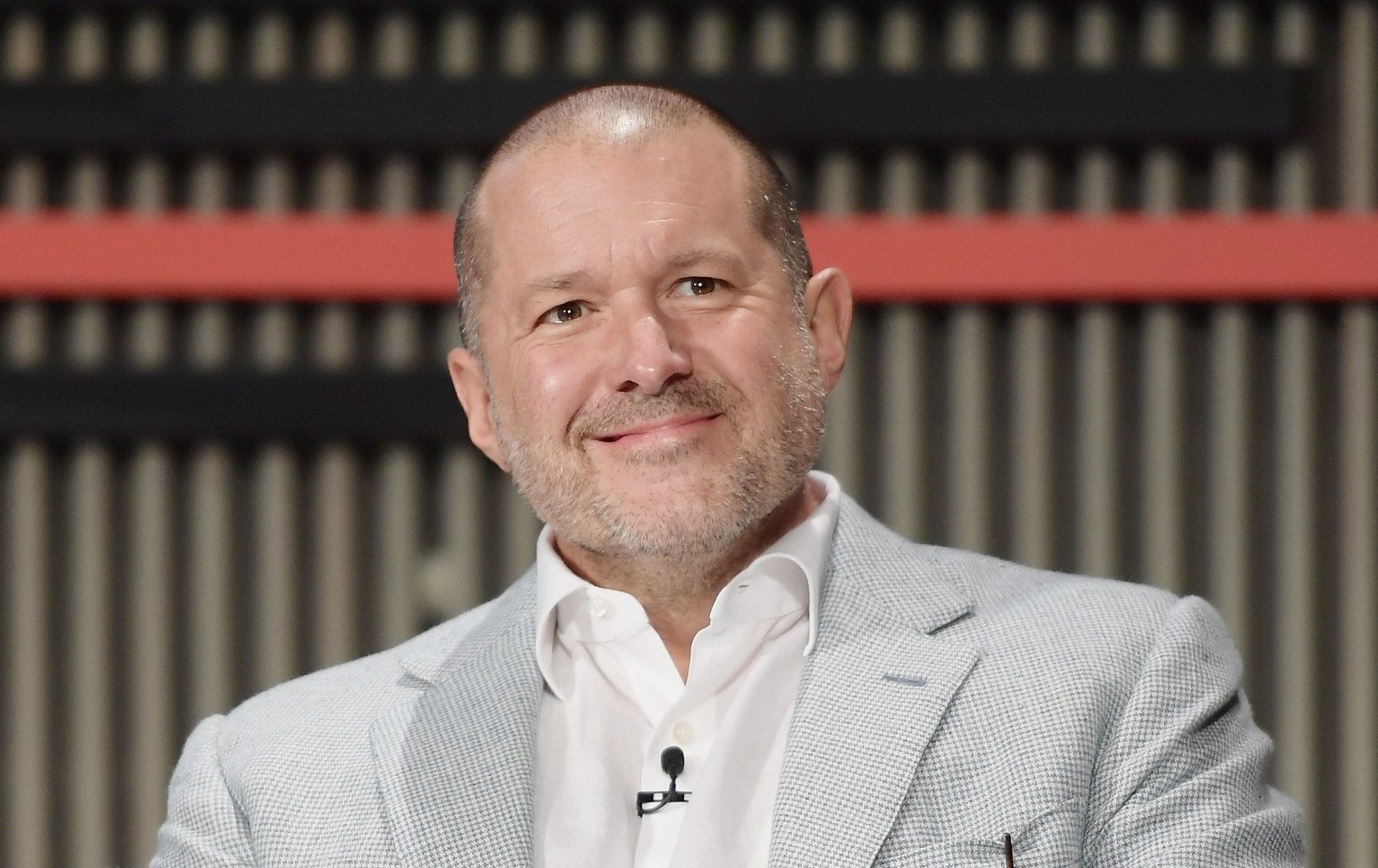
Ive is the brain behind some of Apple’s most iconic products since the late-1990s - Matt Winkelmeyer/Getty Images
If there is one certain rule in business from the last 30 years, it is surely this. Never bet against Sir Jony Ive.
The British-born designer created the iPod, the iPad and most importantly of all, the iPhone – three products that changed the way we all use technology and turned Apple into one of the largest companies in the world.
He is about to unveil his latest gadget: a smart machine created in collaboration with OpenAI, the creators of ChatGPT. Here’s the problem, however. It will be make-or-break for a business that is losing the race with Anthropic to dominate the new world of AI, because if it fails, it is hard to see how the company can possibly justify its $850bn valuation.
The first product from the Ive-OpenAI team following the $6.5bn deal between the two companies is getting closer and closer to the market.
According to leaks this week, it will be some form of smart speaker, a portable AI-powered device that can be carried around with you, answer questions, and act as a personal assistant. If it can take out the rubbish, tidy the house, and rustle up a toasted cheese sandwich late at night even better, but that may be a step too far, at least at this stage. But it will still be a big deal when it is finally launched.
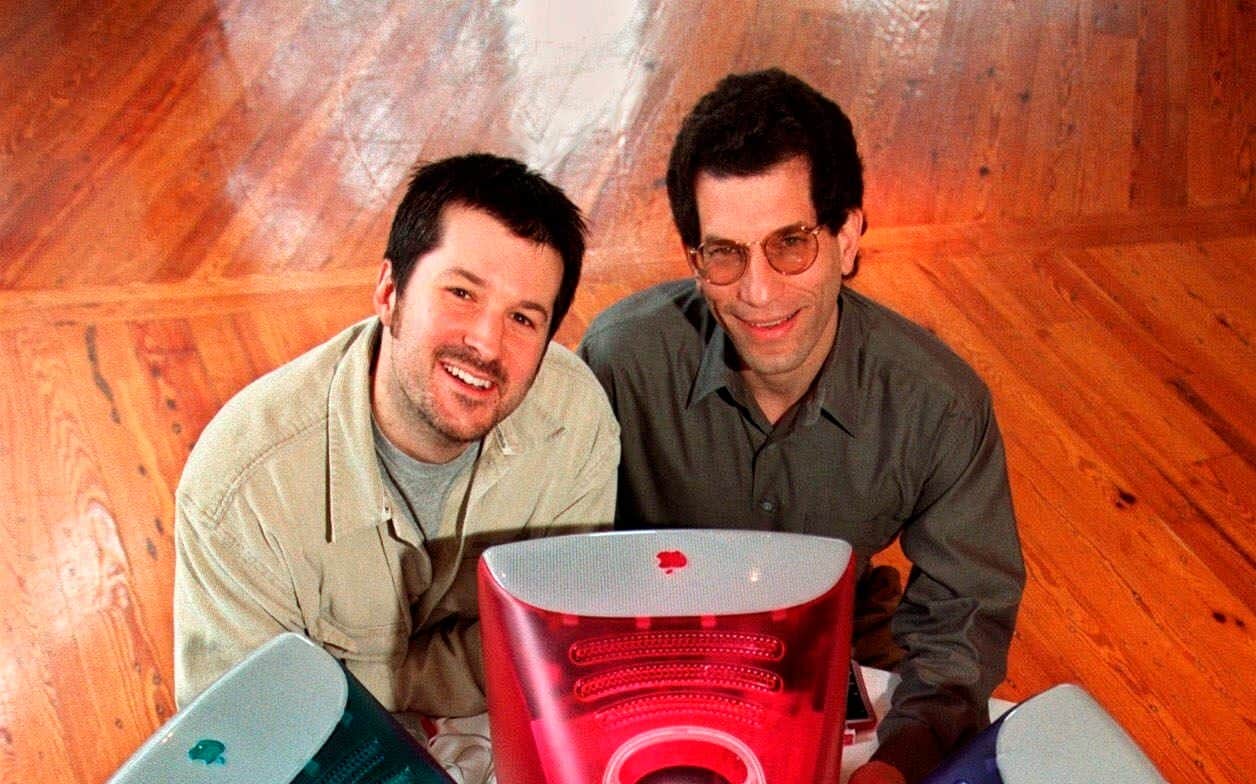
Jony Ive and Jon Rubinstein, who was once Apple’s senior vice president of engineering, with the tech giant’s iconic multi-coloured Mac - Susan Ragan/AP
No one would want to bet against Ive. Working closely with Steve Jobs, the Apple founder, he was the design genius behind a whole series of world-changing products, including the iPhone.
He is not always completely original. There were music players before the iPod and smartphones before the iPhone. But his unique talent has always been to package the latest technology in a way that makes it user-friendly, accessible, and vital to everyday life.
Whether he can repeat that magic outside Apple remains to be seen. One of his first products was Ferrari’s new electric car, the Luce, which seemed to most people like a vastly over-priced Nissan Leaf (although, in fairness, Ive was only responsible for the interior and the console).
Still, if anyone can come up with an AI device that captures the imagination of the world, then surely he can.
OpenAI certainly needs something to turn around its fortunes. Under its charismatic founder, Sam Altman, it pioneered the new breed of smart chatbots that have taken the world by storm. But its grip on the industry has started to weaken.
Anthropic’s Claude has caught up, especially with products for digital assistants and coders. Google’s Gemini has the muscle of one of the world’s largest internet companies behind it, Elon Musk’s Grok has all the resources from the SpaceX float at its disposal, and there are new, cheaper Chinese models coming on to the market all the time.
Far from remaining the global leader, OpenAI, with its ChatGPT model, is now engaged in a brutal struggle against rivals with plenty of money and technology behind them.
Advertisement
On the prediction markets, where these things are taken seriously, Anthropic is given a 68pc chance of having the best AI model by the end of the year, followed by Gemini at 13pc and OpenAI at 10pc. To put this politely, it is losing the race.
If it is to defend its huge valuation, and if it is to have any hope of staging a rumoured public listing later this year, Altman and Ive need to come up with something that can turn that around.
Is a smart speaker the answer? On one level, it sounds a lot like a souped-up version of Amazon’s Alexa, a product that, if we rewind a few years, was also meant to turn the way we interact with the internet upside-down.
But although it sold plenty of them, mainly because they were so cheap, the Alexa was also a colossal commercial failure, racking up estimated losses of $10bn in 2022 alone. And while you can still buy one if you really want to, Amazon has quite rightly moved on to other things. It is hard to imagine the world is crying out for a slightly newer version.
That said, Ive has been ahead of the pack before. He could be again.
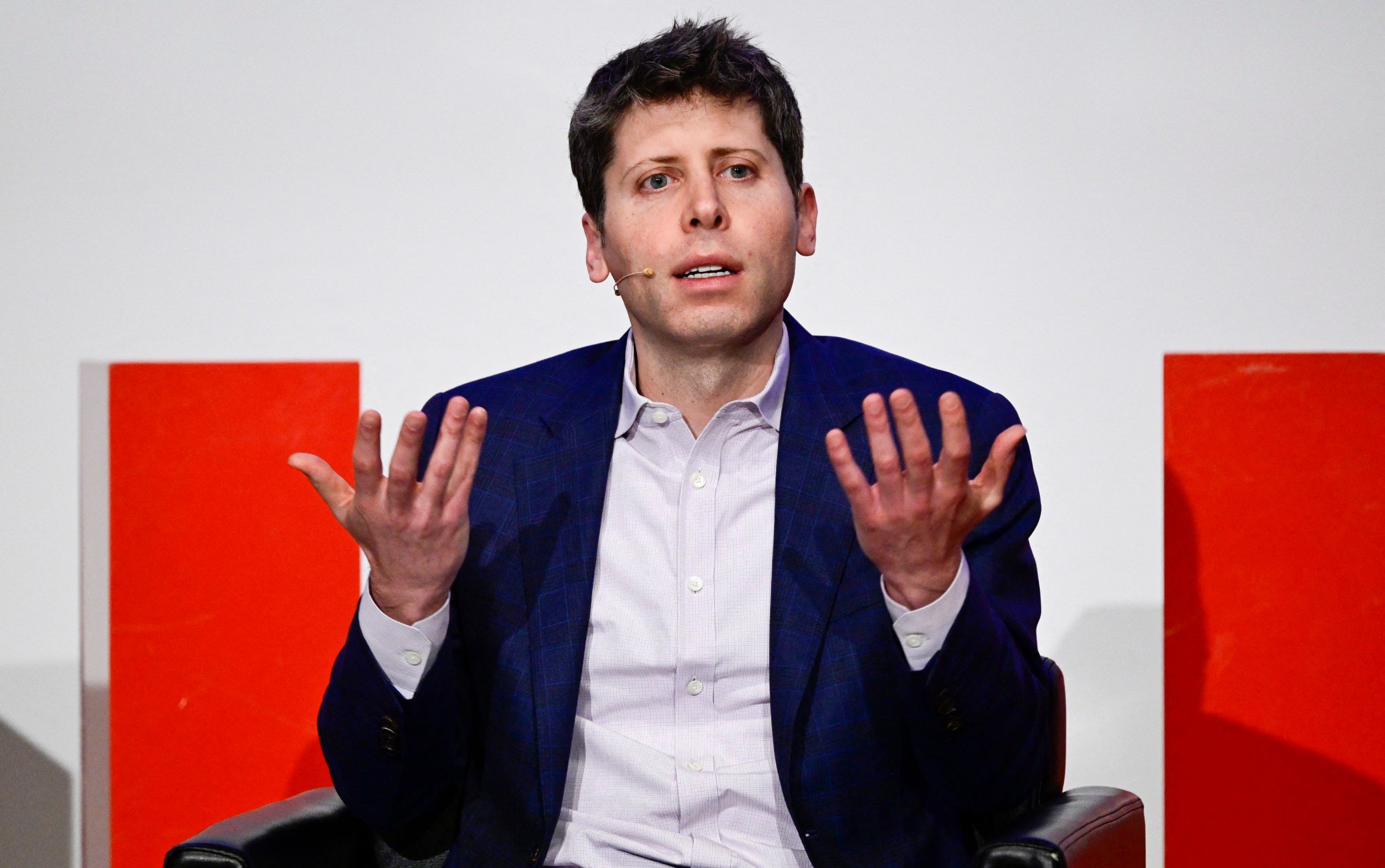
Sam Altman, the chief executive of OpenAI, is facing mounting pressure to turn the company’s fortunes around - John Macdougall/Getty Image
To start with, connecting to the internet via a smartphone, which is what most of us do at the moment, is now 20 years old, while the laptop is at least 30 years old. It is hardly a new technology anymore, and it may well be ripe for a replacement.
Next, with the rise of short videos, the internet is turning to voice over keyboards as its main way of connecting people.
Finally, AI on a standard computer may just prove a clever party trick, but carried around with us all the time, and able to listen and communicate, it may well start to become a vital part of our everyday lives.
OpenAI needs something big. It plans to spend $600bn on computing infrastructure by 2030 to build all the kit it needs, and is currently burning through money at a rate of $120bn a year. It reported losses of $38bn last year on revenues of $13bn.
While those numbers are fine if everyone believes you are the next Google, they can also turn sour very quickly if the market starts to lose faith in your ability to deliver.
The blunt truth is this: everything is now riding on Ive and his new gadget. When the device, whatever it is, is finally launched, it will certainly be the biggest launch of the year, and possibly the decade.
But it will also be make-or-break for OpenAI and all the money that has been invested in the company, because if it does not work, it is hard to see how it can recover.
Try full access to The Telegraph free today. Unlock their award-winning website and essential news app, plus useful tools and expert guides for your money, health and holidays.
Source: “AOL Money”
